
Deep heat, deep need
What the rise of sauna culture means for brands
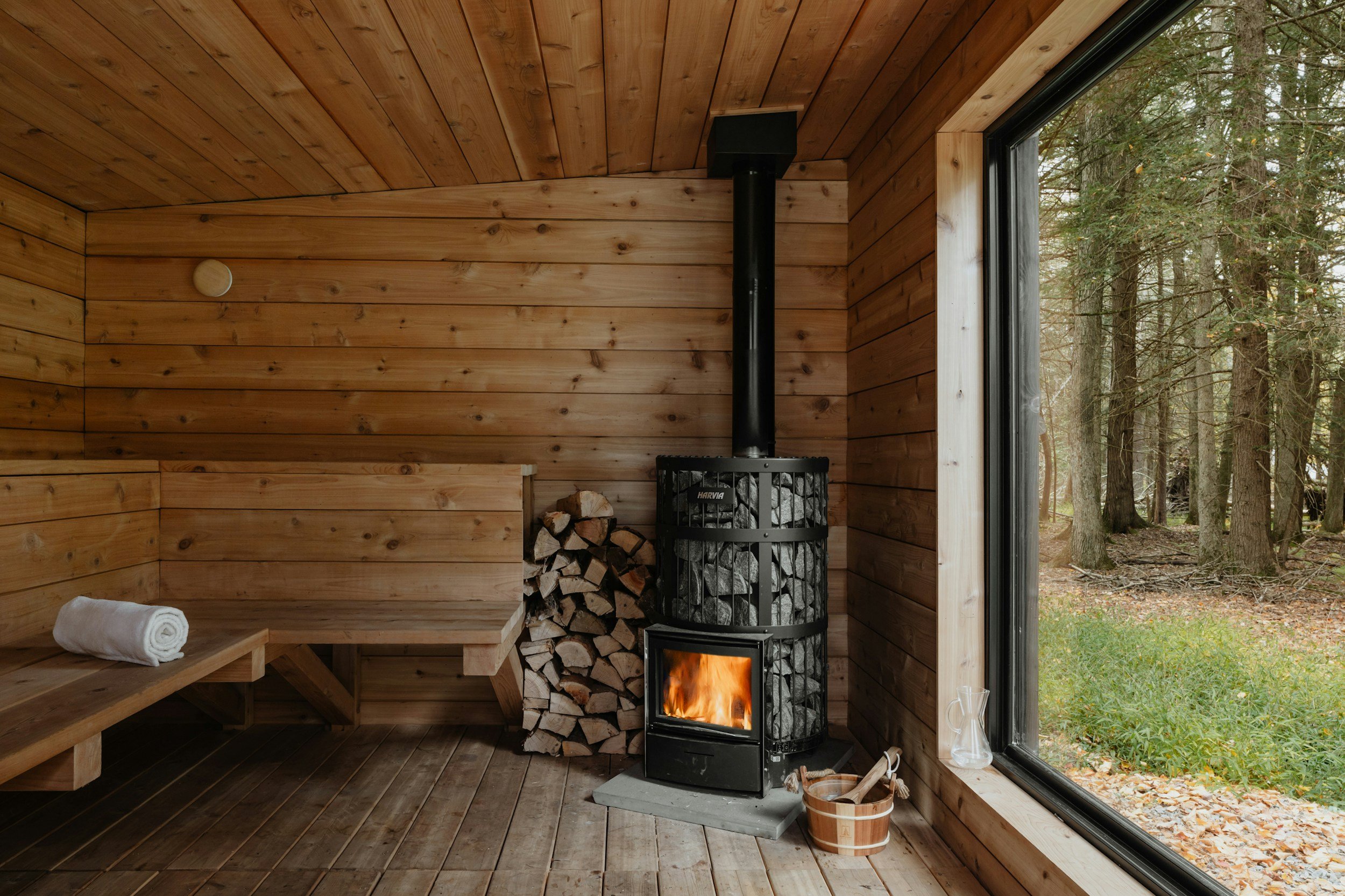
Image credit Clay Banks on Unsplash
In recent years, saunas have sprung up like weeds across the UK. On beaches, by lakes and in fields, in city squares and fitness studios - you don’t have to look far to find a dedicated space or pop-up where you can get your sweat on.
Aside from being an interesting health trend, this surge in popularity also tells us about people’s need for spiritual sanctuary, liminal spaces and ritual amidst turbulent times.
An ancient practice, rediscovered
People have used enclosed heated spaces for health and healing for millennia - from the Native American sweat lodges to the Korean bulgama and Mexican tamazcal.
In Britain, our head has been turned by the Finnish sauna, perhaps because we are already sold on the aspiration of Scandinavian living. But we could look much closer to home for inspiration.
Archaeological evidence points to sweat lodges in Britain dating back to Neolithic times. The Romans had bath houses and later, Turkish hammams and Russian banyans were popular on London’s streets. Sweat houses were still being used in rural Ireland into the early 1900s.
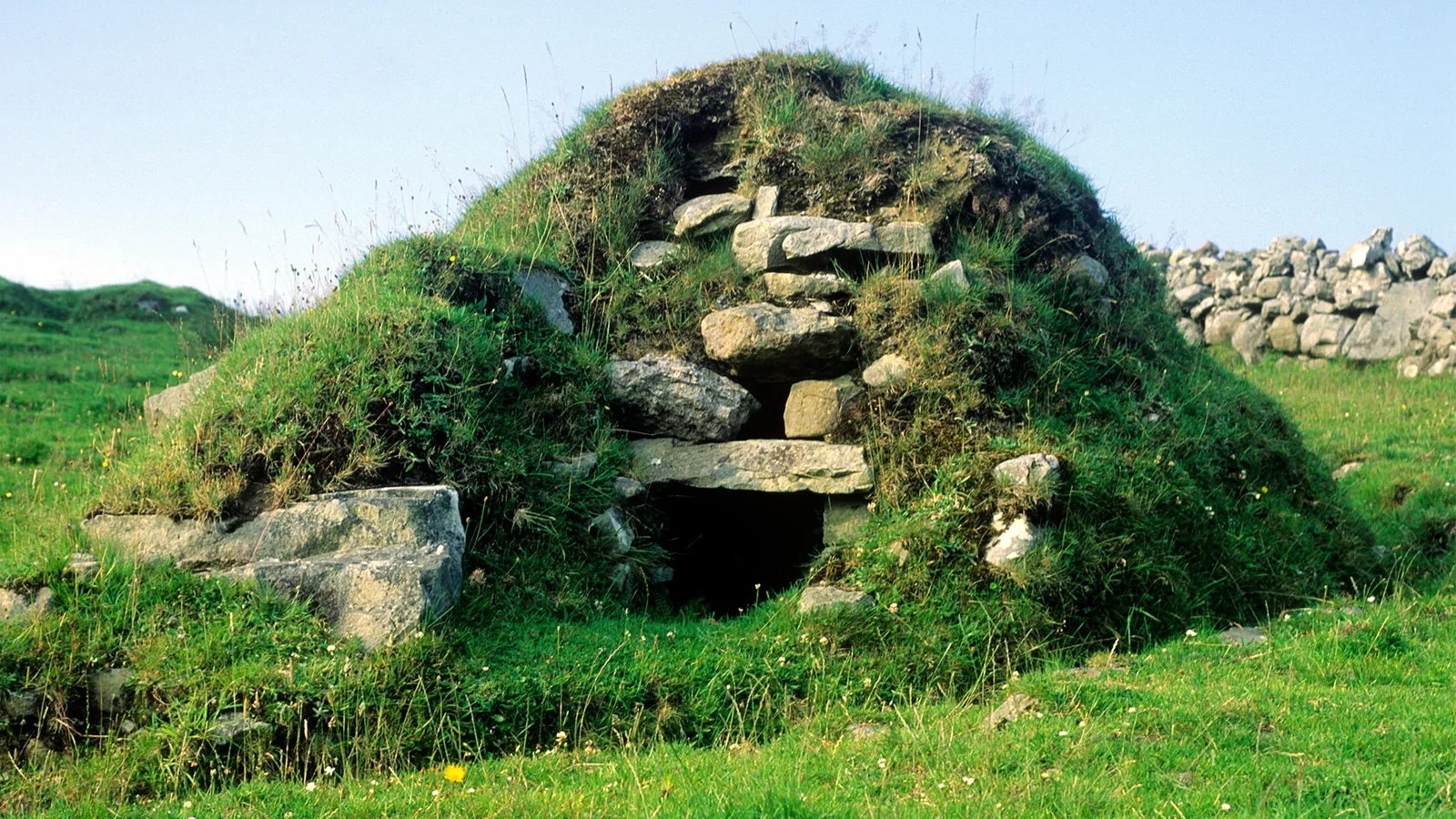
Image credit: BBC
“Every culture through every age has enjoyed its own form of sweat bathing” -
Emma O’Kelly, Sauna: The Power of Deep Heat
So whilst the current surge in sauna may seem like a new movement, it is better understood as the rediscovery of an ancient practice.
Beyond the body
The physical benefits of sauna are increasingly researched and documented - impacts on cardiovascular health, muscles and joints, pain management, sleep, menopause symptoms, cellular repair… the list goes on.
The notion of ‘detox’ is also in focus as we become more aware of the pressures our polluted environment puts on our bodies. Sweating is a tangible way of expelling these bad agents and feeling ourselves to be purified.
Whilst these physical benefits are motivating to many, the emotional and spiritual effects of sauna are also coming into focus - evidencing a shift in Western culture towards a more holistic sense of selfhood, health and wellbeing.
Saunas as liminal spaces
Anthropologists use the term ‘liminal’ to describe spaces and states that exist ‘in between’ - outside normal roles, hierarchies and expectations. Liminal environments often feature in rites of passage like birth, death, marriage, initiation and healing.
Historically, saunas acted as this kind of space. They were used for childbirth and for preparing the dead. They were sites of purification before major ceremonies, spaces for healing the sick and places where spiritual worlds felt closer.
In the sauna, amidst the heat the mind stills. Bodily sensations come into acute focus and time slows. It brings us into a different state of awareness. That liminal quality is exactly what many people feel is missing from modern life.
The return of the sacred
Alongside the rise in sauna culture sits a rising interest in modern spirituality, expressed through everything from astrology and breathwork to pilgrimage walks and sound baths. Christianity too is seeing renewed curiosity, particularly among younger adults seeking structure, meaning and moral anchoring.
This is less about organised religion and more about a widening hunger for transcendence, for experiences that situate the individual self within something bigger. Sauna fits neatly into this space.
It asks for stillness and presence. A tolerance of discomfort in service of release. You enter, you endure, you emerge. That arc mirrors spiritual narratives of descent and renewal.
In a culture that has flattened many of its sacred rituals, sauna offers a form that feels both ancient and accessible.
Ritual and the need to be held
If liminal spaces create the threshold, ritual is what guides us across it.
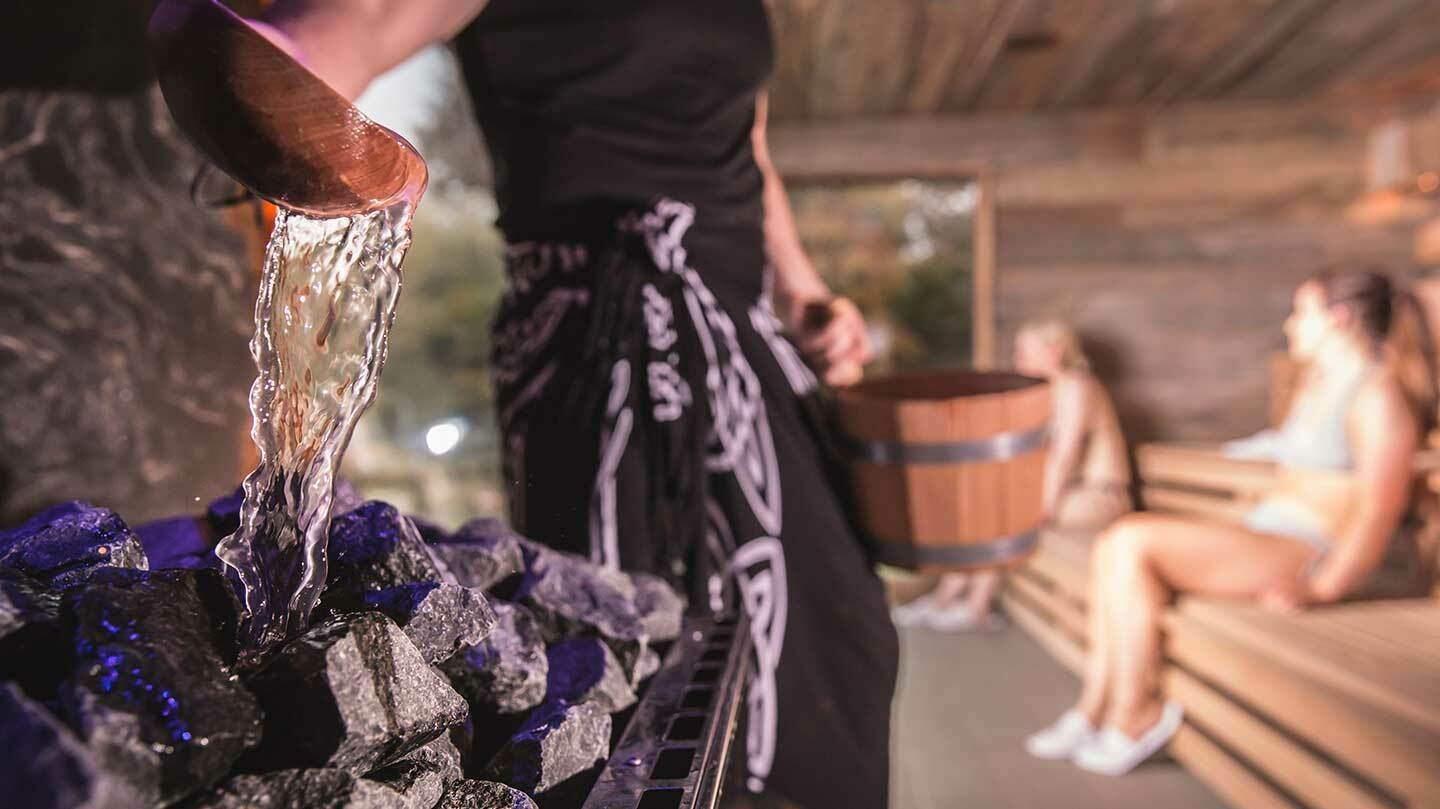
Image credit: Good Spa Guide
Many of the emerging sauna experiences are explicitly leaning into ritual. Guided sessions might incorporate breathwork, sound, meditation, storytelling, sensory and somatic practices to deepen spiritual connection and the opportunity for transcendence.
Also striking is the growth of communal saunas as micro-community spaces where emotional expression is not only permitted but supported. The likes of mother’s sessions, men’s circles and grief saunas hold space for life experiences that are often pushed aside in the rush of daily routines.
In a society where traditional community structures have thinned, these heated rooms are becoming containers for collective processing. Ritual elements like the ladling of water, the closing of the door and shared quiet mark the space out as sacred and the experience apart from ordinary time.
Not as leisure, but as a rite of passage.
Why brands should pay attention
Saunas are not just a wellness trend to jump on or an aesthetic to borrow. They are signals of a deeper cultural shift.
People are seeking meaning, not just utility. They are looking for experiences that recognise the emotional and spiritual dimensions of life, not only the material ones.
Brands that are playing in health and wellbeing should take heed. Those that understand the power of emotional and spiritual connection, ritualised touch-points and communal experiences have an opportunity to build far deeper resonance than those which speak only to the functional, disconnected physical self.
Right now, people are searching for places that help them step out of the everyday, sit in the intensity of being human and emerge, however subtly, changed.