
Buying growth in FMCG
Will Purdey & Figg be next?
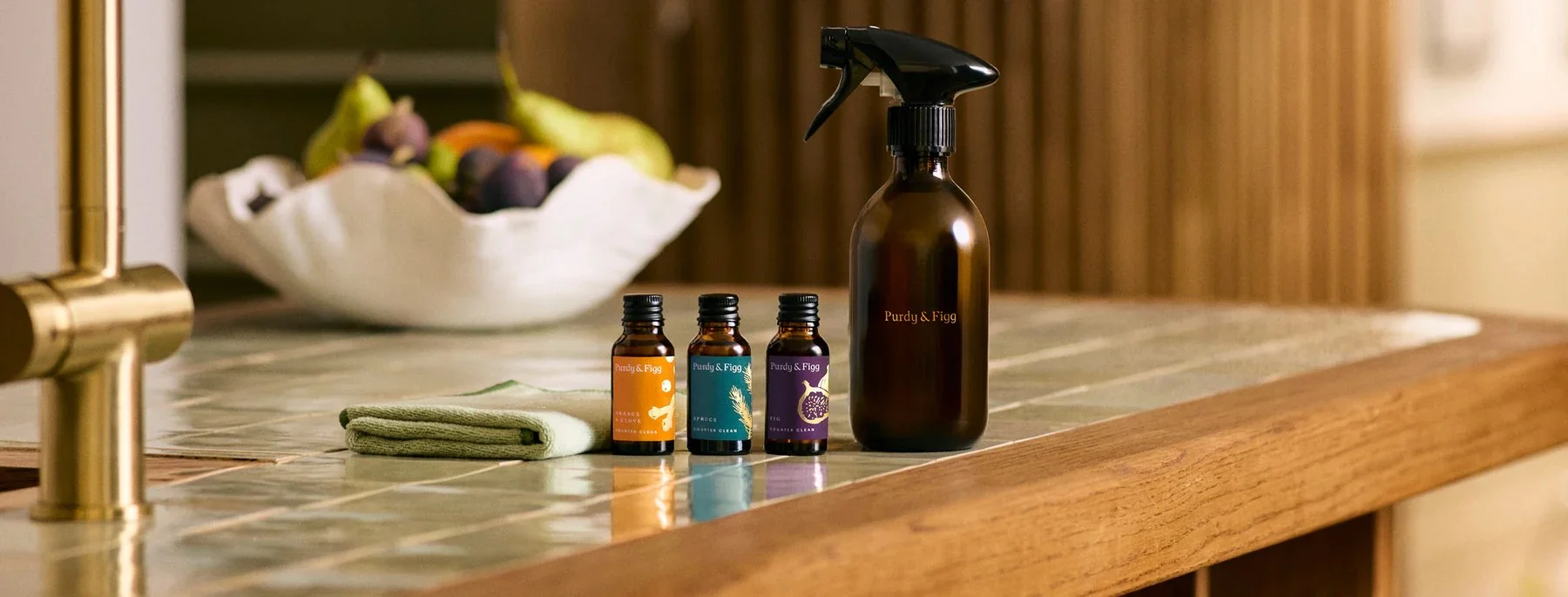
Image credit: Purdey & Figg
Recently, one thing has been clear in the world of FMCG: big corporates are buying growth, not building it.
It’s not a new model, but one that endures because for legacy blue-chips, structural challenges make revolutionary innovation difficult:
Slow processes and internal risk aversion
Portfolio exposure to declining categories
Difficulty building authentic, mission-led brands
A credibility gap as trendsetters
Struggle connecting with younger, digitally-native consumers
Acquisition has become a fast route to relevance, a way to watch multiple races play out before betting on an already-proven winner.
Recent plays
2025 saw three big acquisitions.
1. Unilever bought Wild

Image credit: The Industry Beauty
Wild disrupted personal care by rethinking format and sustainability. Its refillable aluminium deodorant case became an Insta-friendly symbol of low waste living - combining design, D2C subscription and sustainability credentials.
For Unilever, the acquisition delivered:
A push into refills (now being rolled out across its other brands)
Access to a younger, trend-led consumer
A brand with an established customer base and revenue stream
2. PepsiCo bought poppi
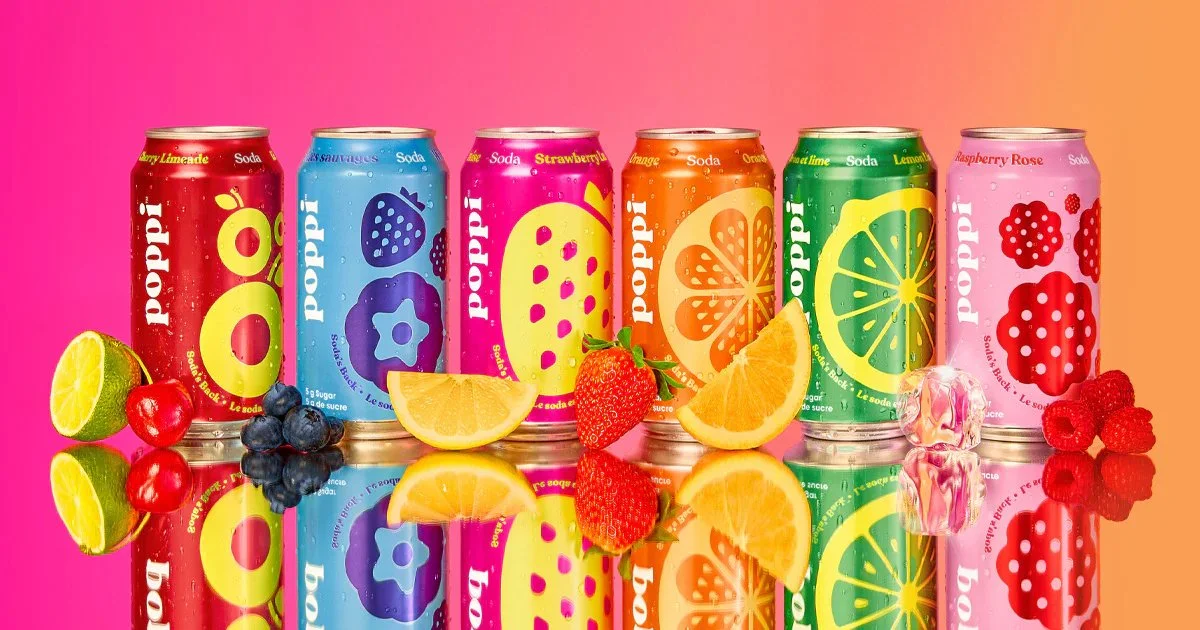
Image credit: poppi
Poppi turned gut health into a lifestyle beverage. With bold branding, social media fluency and better-for-you credentials, it reframed soda as functional and modern.
For PepsiCo, the acquisition represented:
Entry into prebiotic/functional beverages
A hedge against declines in traditional soda
Cultural relevance with Gen Z and millennial consumers
3. Müller bought Biotiful
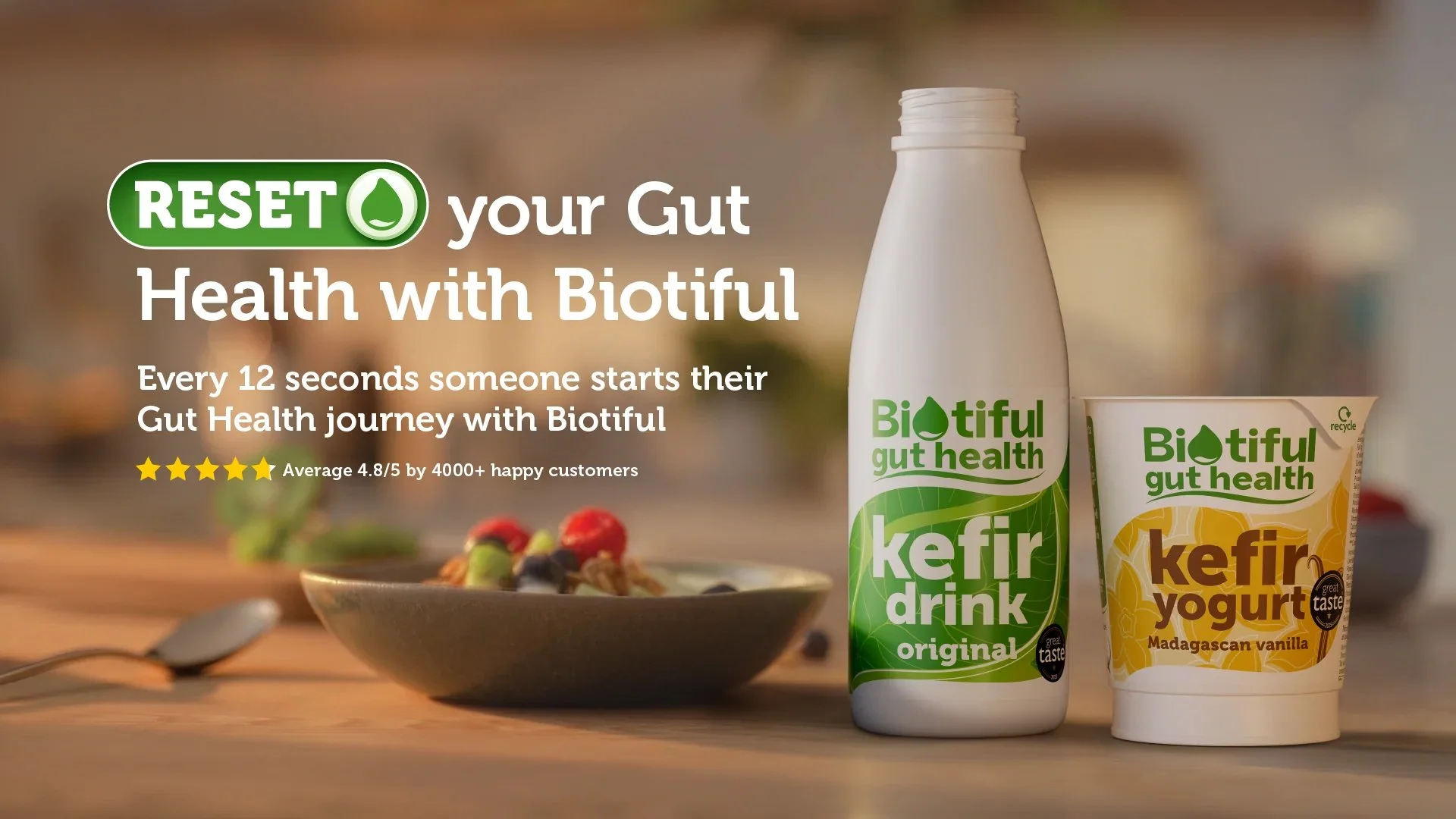
Image credit: Biotiful
Biotiful developed a premium kefir to support gut health before ‘microbiome’ was modern parlance and when we were yet to be educated about the 4K’s by Tim Spector.
Its acquisition by Müller allowed the dairy giant to:
Move upmarket into functional dairy
Secure market leadership in the growing kefir segment
Modernise its brand portfolio
Purdey & Figg – ripe for the taking?

Image credit: William Morris At Home x Purdy & Figg
Purdey & Figg has built an eco-cleaning brand centred on refillable, beautifully designed natural cleaning sprays that is now in 1 in 20 UK households.
The origin story is a humble one – but growth has been aggressive.
Friends Purdy Rubin, an NHS nurse, and Charlotte Figg, a horticulturalist, were fed up with toxic cleaning products in plastic packaging, so started playing with natural formulas. Word spread amongst their friends and eventually, their business-savvy sons helped launch what is now a £42 million brand that saw 325% growth last year.
So why might it appeal to a corporate buyer?
Premiumises home cleaning - the latest iteration of the Method effect
Has established new cleaning rituals, expanding occasions
Comes with an established customer base and subscription model
Distinctive brand assets – unique fragrances and an Aesop-inspired aesthetic
Boosts sustainability credentials – natural formulation, dilutes, refills
Delivers clear functional and emotional benefits, meeting genuine needs
For cleaning giants like Unilever and P&G, whose portfolios still lean on traditional formats and chemical-heavy formulations, it could offer a shortcut to plastic reduction, refill systems, ‘non-toxic’ positioning and premium home care.
If Purdey & Figg have changed how people think about cleaning – taking it ‘from chore to pleasure’ as intended - the big guys might have no choice but to follow their lead. Having this sprightly challenger on the inside wouldn’t be a bad idea at all.