
The billion pound hangover
How BrewDog lost its edge
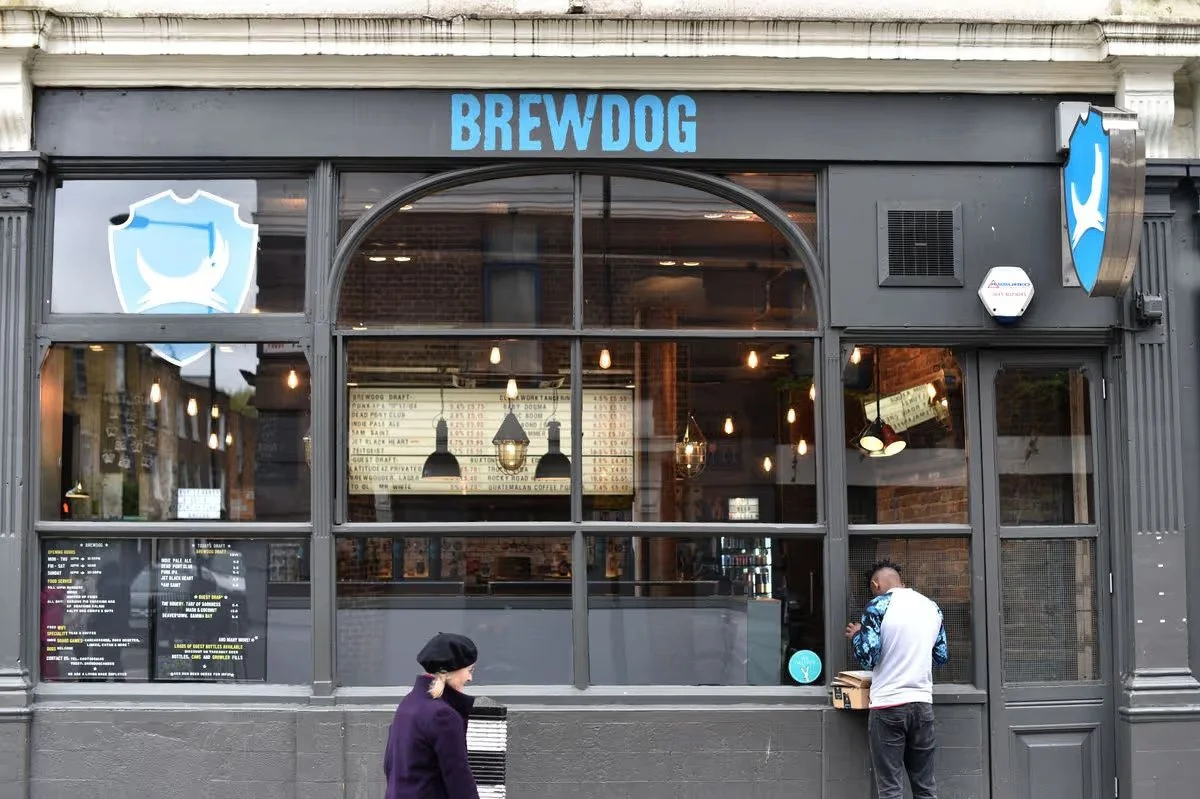
Image credit: Daily Record
Once valued at £1 billion, BrewDog has been sold this week for a mere £33 million, a stunning collapse that begs the question: how did such a celebrated brand fall so far, so fast?
The punk upstart
Founded in 2007 by a young, boot-strapping duo, BrewDog was borne from a desire to challenge the UK’s stuffy beer industry and its bland product.
Positioned as a maverick, anti-establishment alternative, BrewDog’s ‘punk ethos’ imbued everything it did, from high ABV brews and bold branding to sensationalist marketing stunts that drove conversation and cult status.
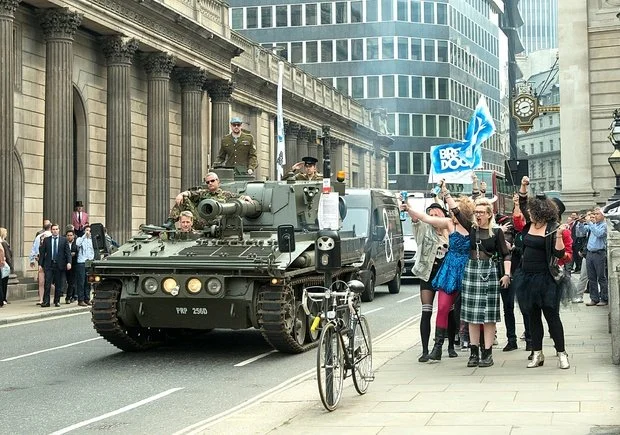
Image credit: BrewDog
A “post-punk, apocalyptic, motherfucker of a craft brewery”
In 2009, when it launched its ‘Equity for Punks’ scheme, appetite was strong – many of BrewDog’s fans wanted a piece of it and everything it represented. The £74m amassed from successive waves of crowdfunding enabled the brand to scale at pace.
By the late 2010s, BrewDog was one of the UK’s best-known beer brands and was frequently cited as a challenger success story. The David that had successfully taken a chunk out of Goliath and sparked a renaissance for craft beer.
In the marketing world, it was a brand that everyone secretly wanted to be a little bit like: genuinely purpose-led, relentlessly consistent, bold and impassioned.

Image credit: The Grocer
“This is the revolution – so help me Dog”
The tide starts to turn
With its sights still set on expansion, in 2017 a minority stake in the business was sold to a US private equity firm for a sum that valued BrewDog at £1 billion.
But with this injection of capital came growth targets, governance structures and exit expectations. The days of two founders “blowing shit up” were over; they now had a room full of suits to answer to.
Meanwhile, BrewDog continued to scale aggressively with international breweries, a vast bar estate and supermarket expansion. The brand that once defined itself against corporate beer now operated with corporate scale and complexity that it wasn’t set up to manage.
Consumer perceptions started to shift as the gutsy, anti-establishment spirit that had defined the brand began to crack. And rumours of a toxic working culture with abusive leadership further damaged Brewdog’s reputation, eroding its image of authenticity and claim to moral authority.
From 2019 onwards, BrewDog was recording persistent losses.
Lessons to be learned
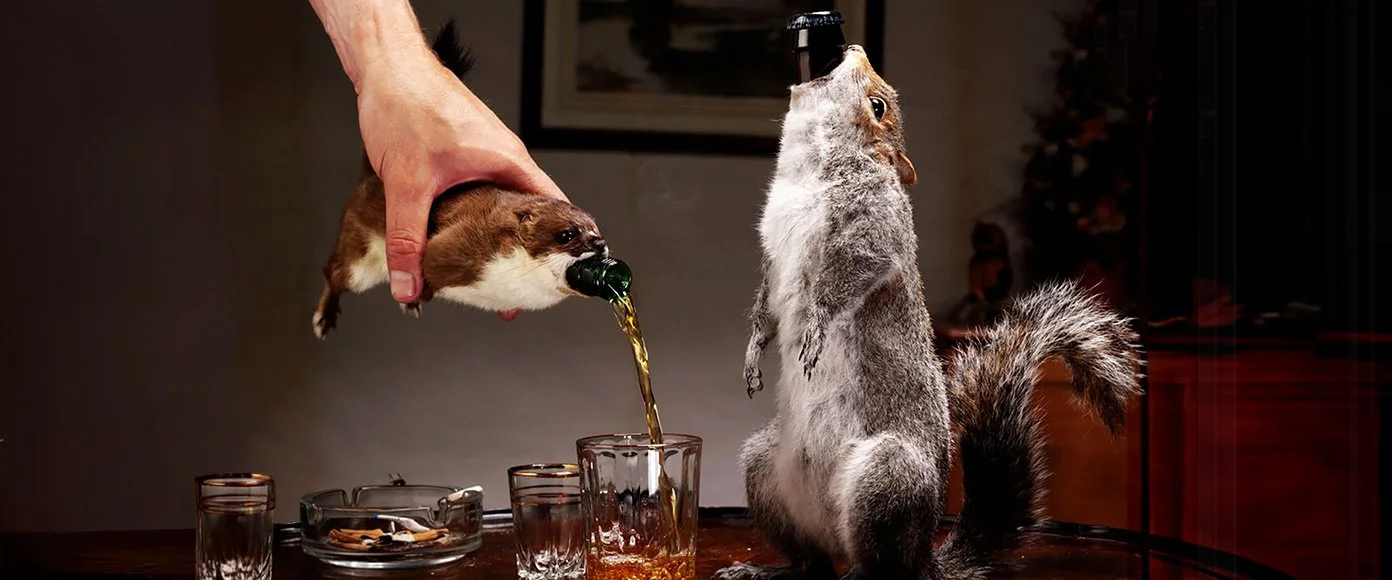
Image credit: BrewDog
In its prime, BrewDog demonstrated how positioning, community and spectacle can create extraordinary brand equity.
But its decline shows the other side of that coin. When your differentiation is authenticity, every compromise in values is magnified. When your brand is born from anti-establishment protest, success can turn you into the thing you once attacked. No wonder then that its brand health score dropped to a record low in early 2026.
BrewDog didn’t manage to scale in a way that protected its brand. Let’s see if the new owners can put some fizz back into it.